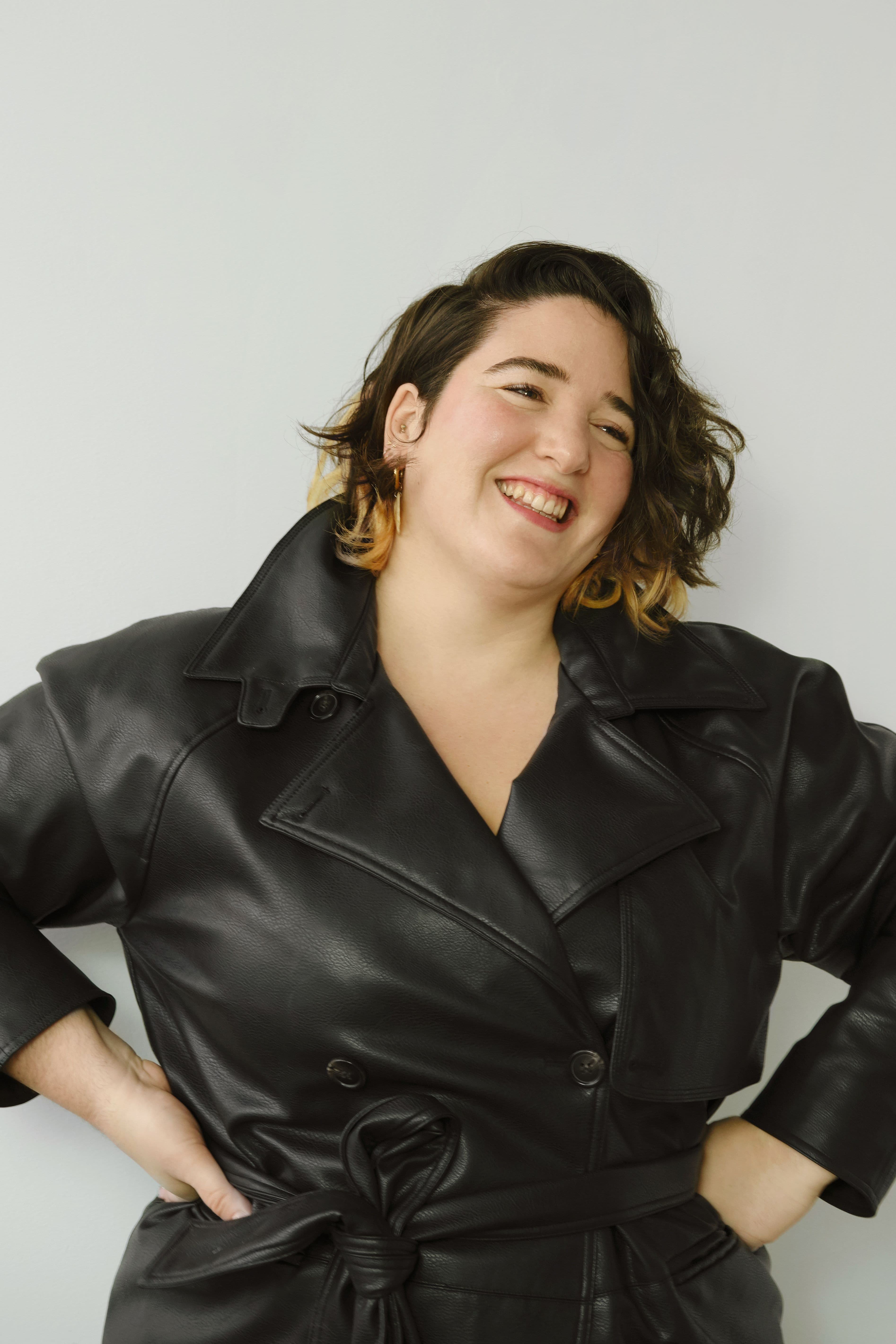
Currently, I'm working at Vattenfall on their B2C energy consumption app, helping customers better understand and manage their energy use. Outside of my day-to-day work, I also contribute as an Industry Leader at Hyper Island, where I mentor students and share what I've learned about design and leadership in tech. This combination of building products and teaching keeps me grounded and learning.
Experience
- 2025 - Present
Vattenfall
Senior Product Designer - Design Lead
- Took Mitt Vattenfall in-house after launch and kept ownership of it, growing it to 170,000+ downloads and 5,000+ new monthly users. Churn fell from ~13% to ~6% and NPS reached +12 in 3 years.
- Restructured the React Native design system with engineering into a leaner, reusable component library, so Dark Mode shipped in weeks rather than months.
- Built a structured usability testing cadence across app and web departments so teams were testing with real users at every stage from discovery to experimentation.
- Led UX and UI design for AI-driven energy features at Vattenfall, working with engineering, product and business on an early-stage initiative built around responsible AI principles.
- 2022 - 2025
Framna (fka Bontouch)
Senior Product Designer - Design Lead
- Led zero-to-one design for the Mitt Vattenfall app from concept through beta (Sept 2023) and full public launch (Nov 2023), on an accelerated 6-month timeline.
- Led UX design on the ALF prestudy for Länsförsäkringar. The concept proposal was accepted and resourced into a new standalone company built to launch it. Now at 10,000+ downloads on Google Play alone, rated 4.5 across both stores (200+ ratings).
- 2019 - 2022
Framna (fka Bontouch)
Product Designer
- Partnered with the PM on discovery for Post-it for Microsoft Teams, running rounds of qualitative interviews to define opportunity areas for a B2B collaboration product for distributed teams.
- Owned the design for the Post-it browser app and its MS Teams integration, taking it from wireframes and prototypes through to launch alongside engineers and UI designers. Covered note and canvas interaction, algorithmic theme grouping, Planner task export, subscription-tier experiences and sign-up flows, with parity to the mobile app I did the initial UX for. Reached 1,000+ users in the first two weeks and recognition from Microsoft's CEO.
- Delivered UI design for SEB Kort, Systembolaget, Scania, and Taxi Stockholm.
- 2019
Deloitte Digital (fka Mobiento)
Product Designer
- Contributed UX/UI design for the ICA Insurance app during a 3-month Hyper Island internship.
- 2012 - 2018
Firma
Brand Designer & Art Director
- Led brand identity for Drinkfinity, a PepsiCo innovation product, from concept to global launch across e-commerce, content platforms, and physical retail in Brazil and the US.
- Grew the Drinkfinity design team from one to four designers to support a Europe launch strategy and expanded product pipeline.
Other Relevant Experience
- 2022 - 2025
Hyper Island
Industry expert & Guest speaker
Mentored UX Design, Content Development, and Front-End Development students in the Karlskrona and Stockholm programs and delivered the lecture "Seniority: Nurture or Culture" on design maturity.
Education
- 2018 - 2019
Hyper Island, Stockholm, Sweden
Design Lead Program
- 2012
Winchester School of Art, University of Southampton, Southampton, UK
BS Bachelor of Arts, Honours in Design
- 2008-2012
Elisava School of Design and Engineering, Barcelona, Spain
BS Bachelor of Arts, Honours in Design
My toolkit
These are some of the tools I keep in rotation. They help me work smarter, stay flexible, and move quickly. They’re not the only tools I use, but they’re the ones that make the biggest difference in my day to day.